
The hardest part of selling channel letters is often the comparison with a much cheaper banner or flat cabinet. Telling the customer that channel letters are “worth it” rarely settles the objection. A better conversation covers service life, visibility, maintenance, energy use, and the impression the sign needs to make over several years.
What Actually Drives the Cost
Channel-letter pricing varies for concrete, explainable reasons. Walk your customer through these drivers instead of just quoting a number — that's what turns a price objection into an informed decision:
- Size and complexity: a simple "OPEN" sign costs far less than a large set with a full logo and custom font
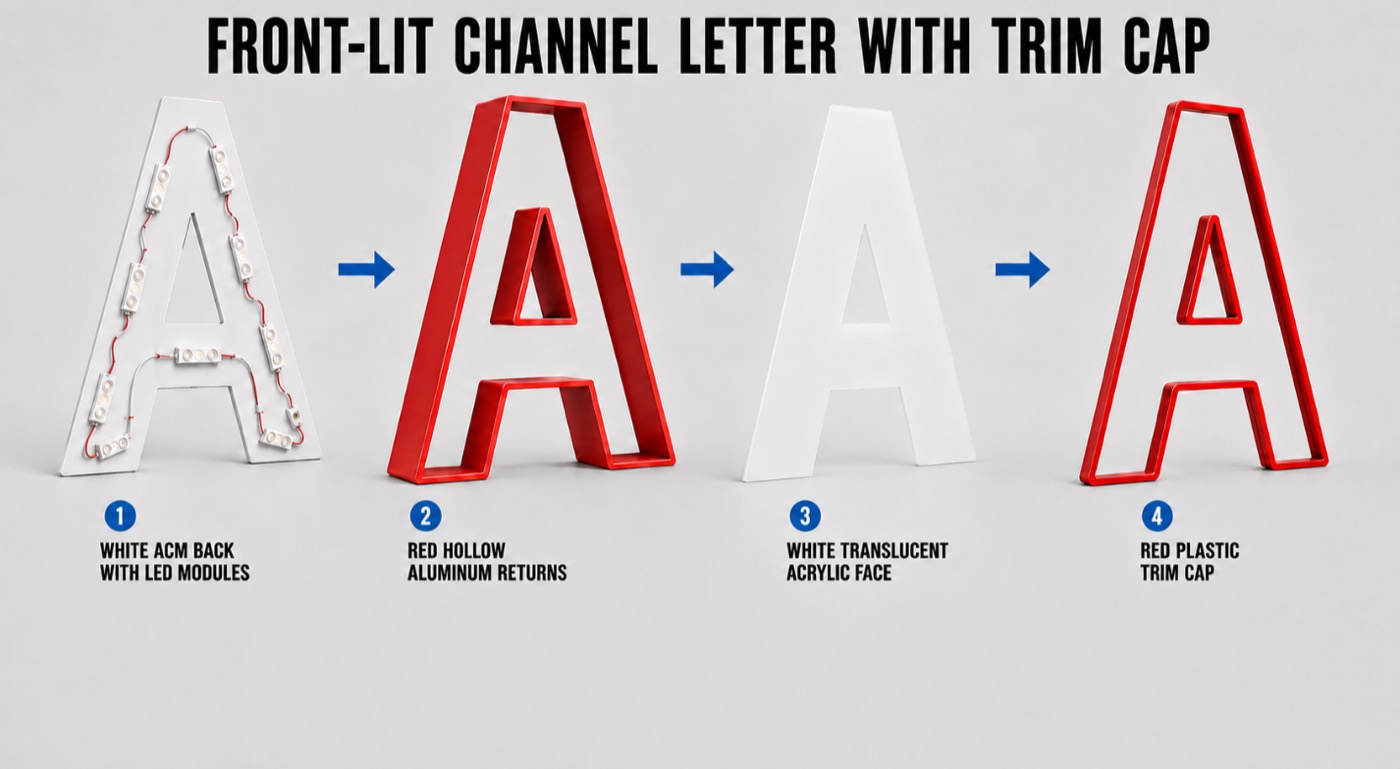
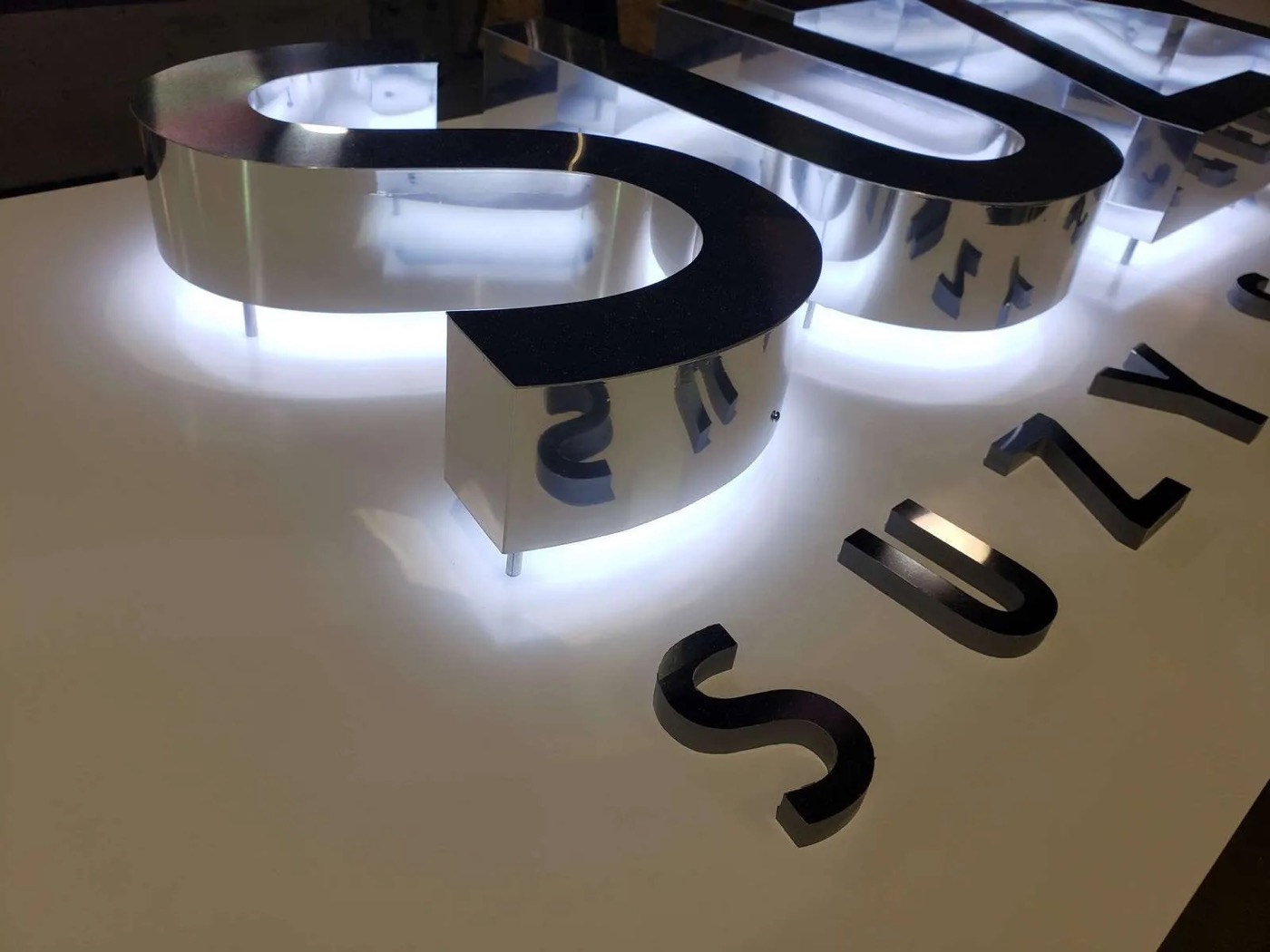
- Materials: aluminum is the durable, affordable standard; stainless steel costs more but delivers a premium look and longer service life
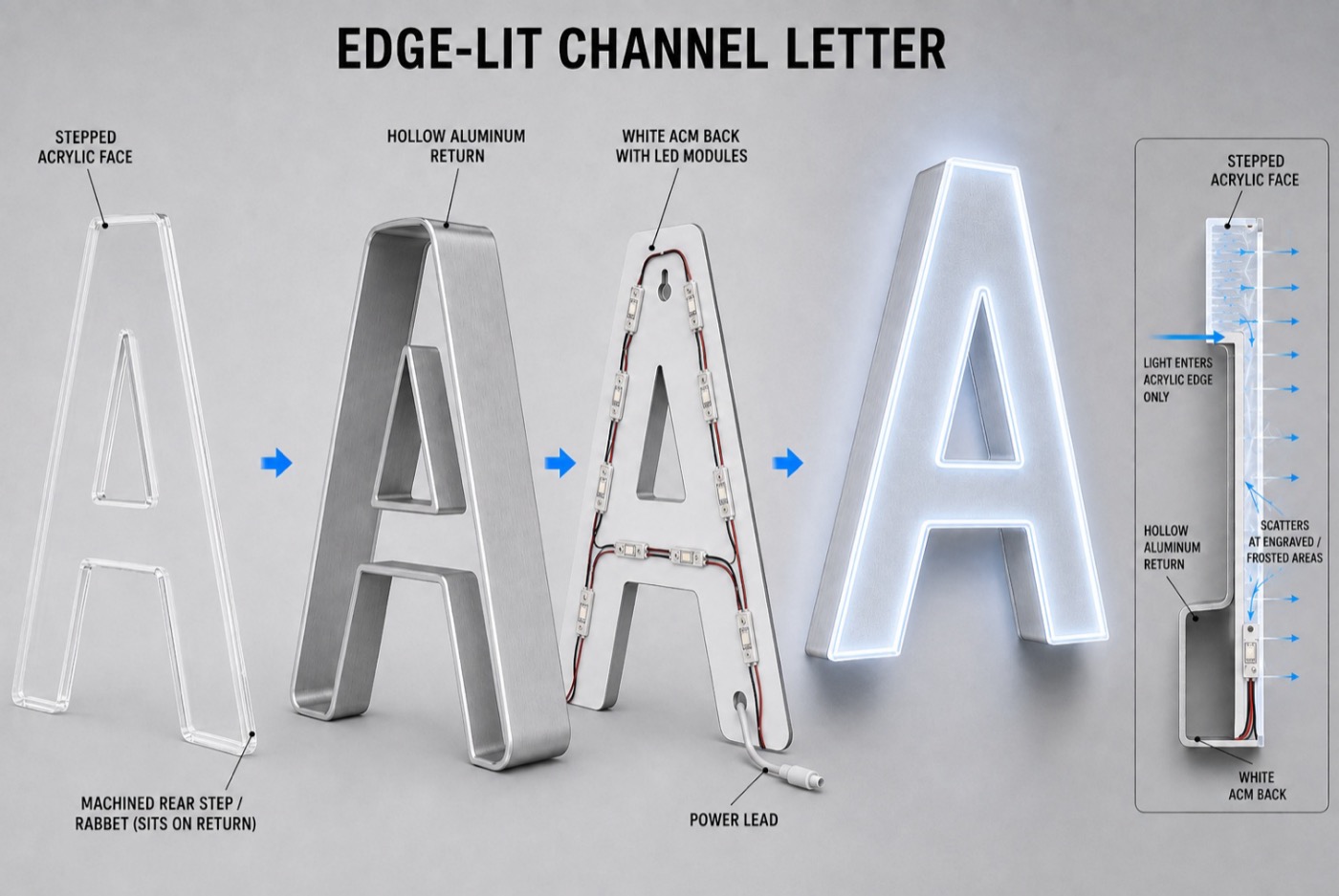
- Lighting: LED is the current standard — more efficient and longer-lived than neon or fluorescent, though it costs more upfront
- Installation: height, structure type, and sign complexity all factor into install cost
How Channel Letters Compare to the Alternatives
When your customer is weighing channel letters against other options, this is the comparison that usually settles it:
- Banners: cheaper and better suited to short-term promotions, but they don't hold up as a permanent brand statement
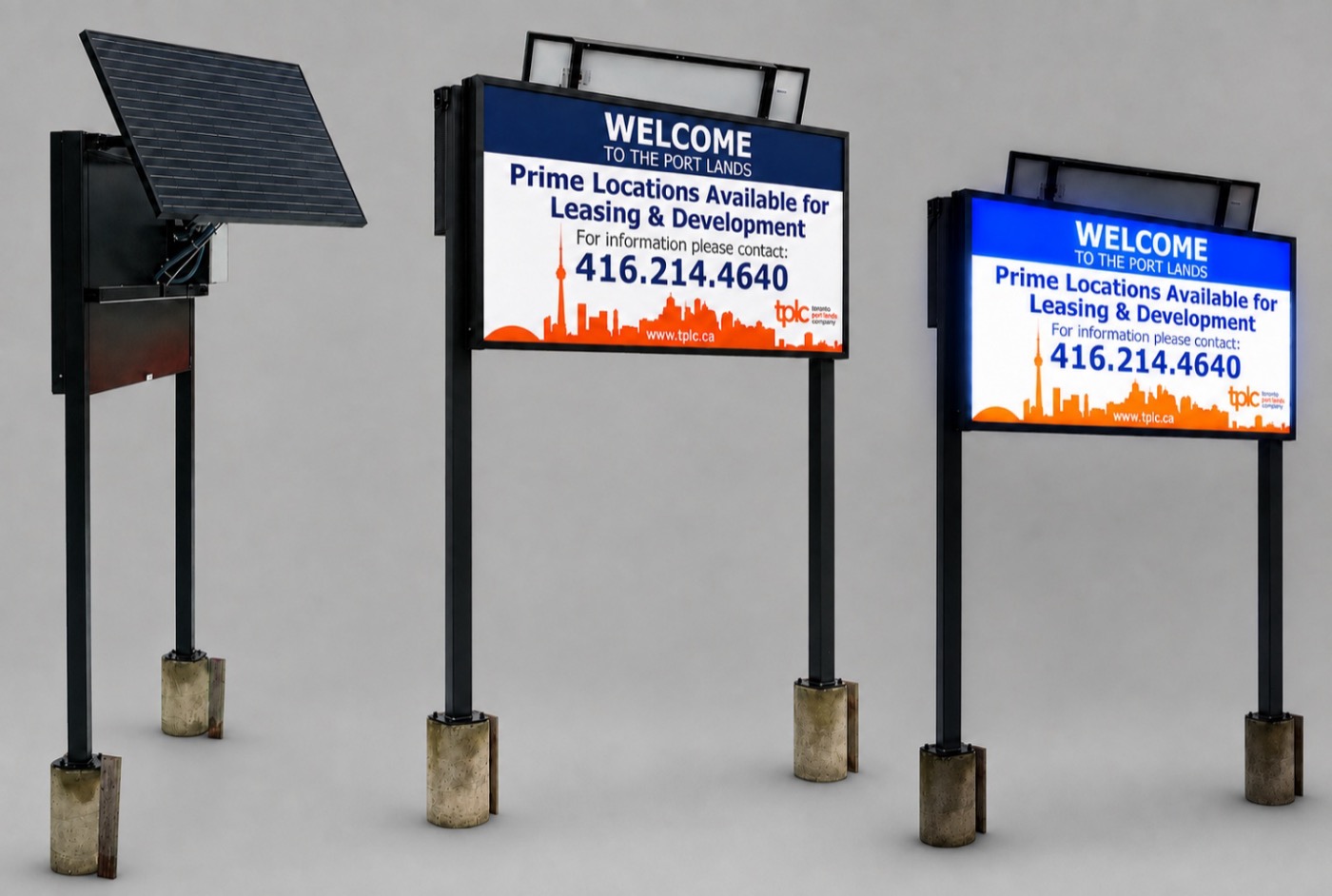
- Lightboxes: decent visibility, especially at night, but limited design flexibility compared to dimensional channel letters
- Monument signs: effective for set-back locations, but often priced well above channel letters once the design gets complex
Channel letters sit in a strong middle ground: more permanent and brand-forward than a banner, more design-flexible than a lightbox, generally less expensive than a comparable monument sign.
The Long-Term Value Argument
This is the core of the ROI pitch: a well-built channel-letter set can run 10+ years with minimal upkeep — no fading, tearing, or the periodic replacement cycle that banners and some lightbox faces need. A higher upfront cost is offset by a much longer service life and near-zero recurring replacement cost. Laying out that multi-year cost curve, rather than a single number, is what reframes the conversation.
The Three-Point Pitch to Use With Your Customer
Three points make the case without getting lost in spreadsheets:
- Standing out matters. In a row of similar storefronts, a distinctive channel-letter sign is what gets someone to actually walk in.
- It signals brand investment. A well-built sign tells a customer the business pays attention to detail — trust follows from that impression before a word is spoken.
- It saves money over time. No repeated banner replacement, no fading vinyl face — the cost curve favors channel letters the longer the sign stays up.
Handling the "I'll Just Get a Banner" Pushback
When a customer wants to default to the cheapest option, reframe the comparison around total cost over the life of the sign rather than the upfront quote:
- Ask how often they'd realistically expect to replace a banner or vinyl face over five or ten years, and price that out alongside a single channel-letter investment.
- Point out that a banner reads as temporary — it can undercut the "established, trustworthy business" impression a permanent sign creates.
- Offer a scaled-down channel-letter option (a simpler font, fewer letters, aluminum instead of stainless) rather than losing the sale to a banner outright.
Sourcing for the Pitch
Being able to quote confidently and hit the timeline you promise is part of making this pitch land with your customer. Wholesale Sign Pro manufactures channel letters — including trimless and other premium constructions — for sign companies across the United States and Canada, with the production capacity to back up the ROI case you're making.
Pitching Channel Letters FAQ
How do I convince a customer that channel letters are worth the cost?
Walk them through the specific cost drivers — size, materials, lighting, and installation — instead of just quoting a number, then pair that with the long-term value argument: a well-built set can run 10+ years with minimal upkeep, unlike a banner or vinyl face that needs periodic replacement.
What's the biggest objection sign companies hear about channel letters?
Price, almost always, and usually in comparison to a banner or a flat lightbox. The objection softens once the customer understands what's actually driving the cost and sees the multi-year cost curve, rather than hearing a single upfront number with no context.
Are channel letters really cheaper than a banner in the long run?
Over a multi-year horizon, generally yes. A banner or vinyl lightbox face fades and needs periodic replacement, while a properly built channel-letter set holds up for 10+ years with minimal upkeep — so the higher upfront cost is offset by near-zero recurring replacement cost.