
A request for “stainless letters” is not a complete specification. The grade, finish, lighting method, return depth, mounting, and site exposure all need an answer before fabrication. Settling those details early avoids the expensive kind of misunderstanding—the one discovered after polished metal has already been formed.
1. Confirm the Design Brief
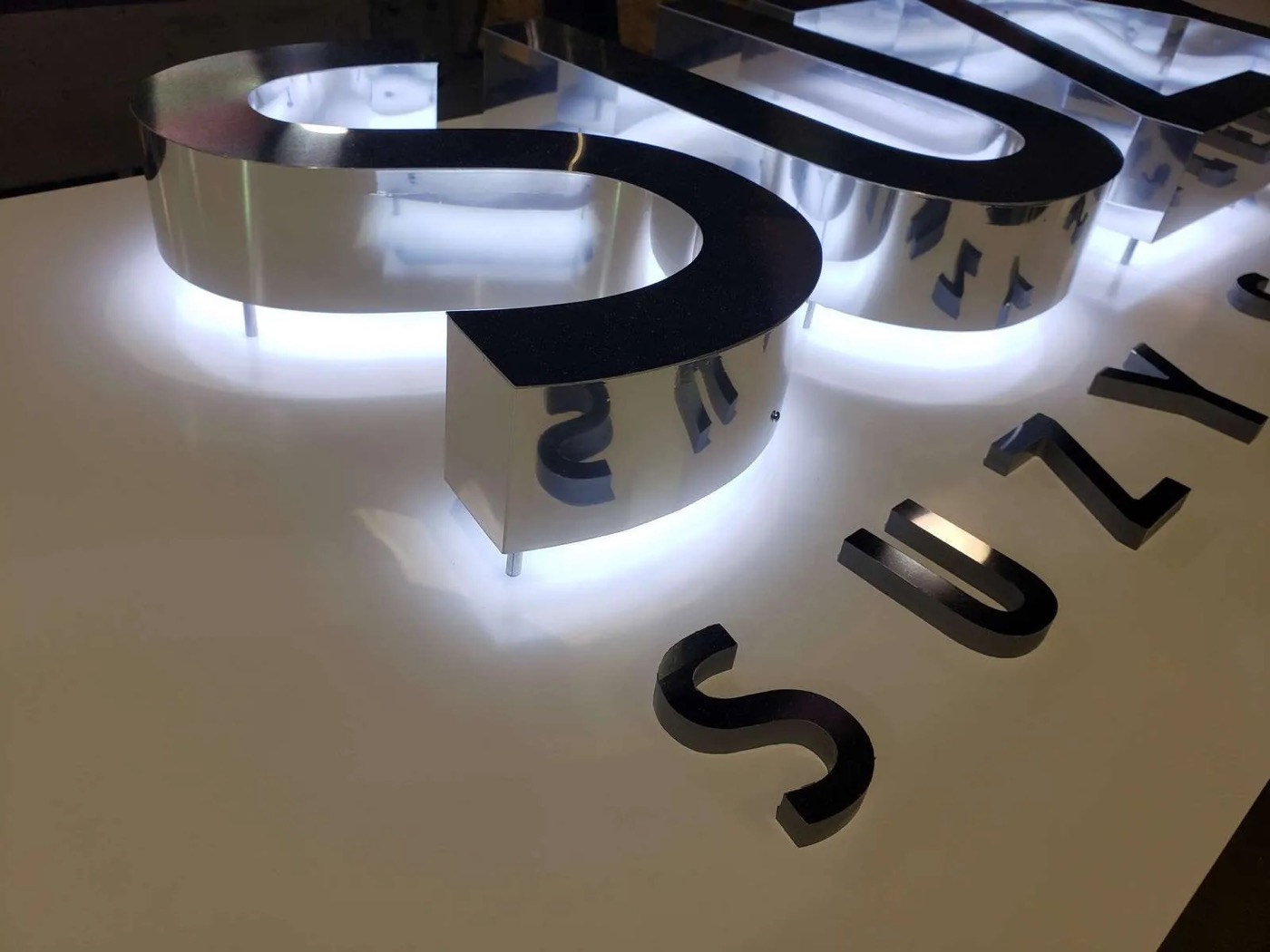
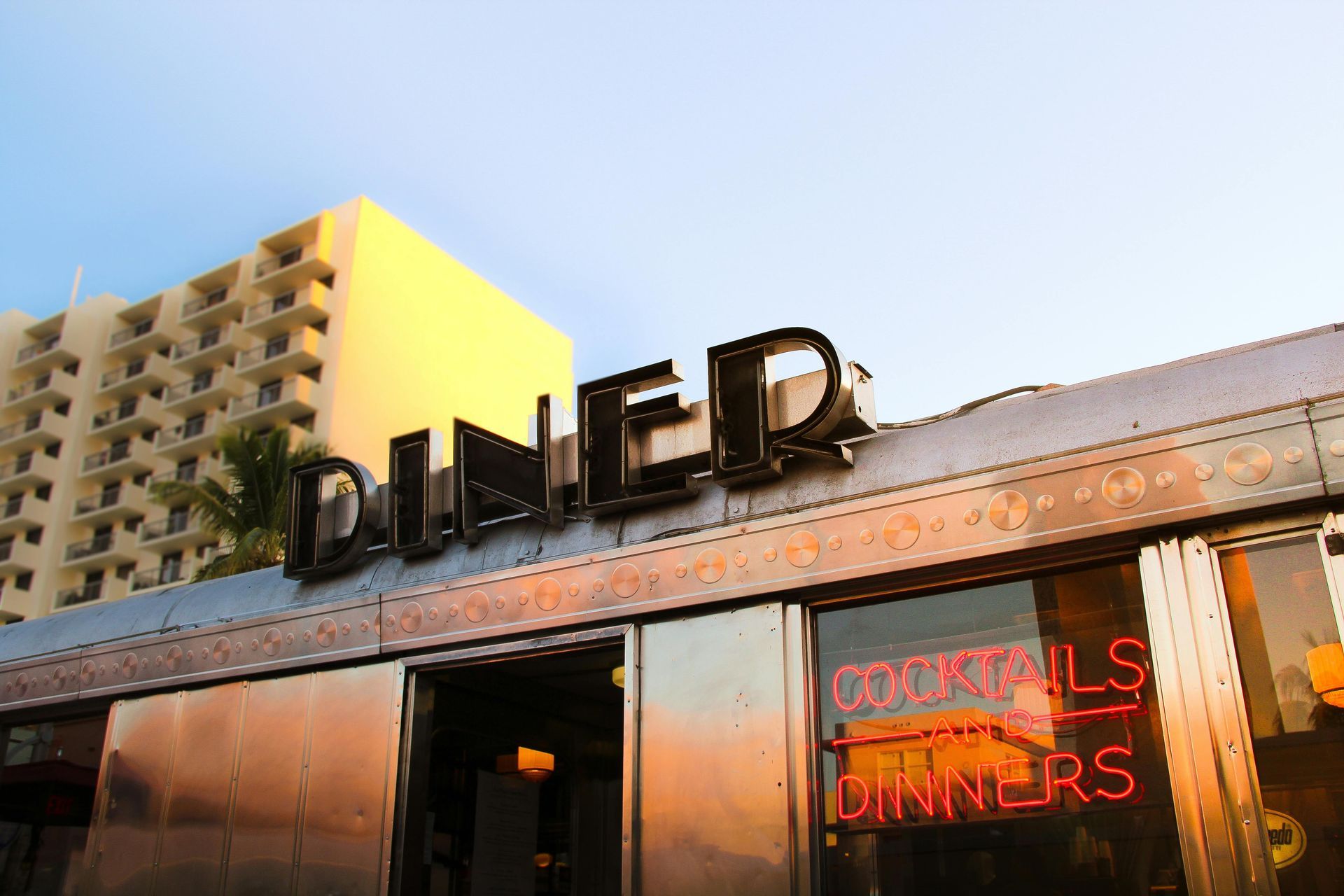
Logo, brand colors, overall style, and indoor vs. outdoor placement all need to be settled before spec'ing materials. Stainless steel channel letters can be finished brushed or polished, each reading very differently — brushed tends to feel understated and architectural, polished reads bolder and more reflective. Indoor signage can lean harder into appearance; outdoor needs to prioritize durability alongside it.
2. Choose the Right Grade
Grade selection matters more than most clients realize, and it's worth explaining rather than defaulting silently:
- 304 stainless — the standard choice for most installations, good general corrosion resistance
- 316 stainless — worth the upgrade for coastal sites or anywhere exposed to road salt or industrial pollutants; meaningfully more resistant to pitting and rust in those conditions
Using an inconsistent or lower-quality source for "stainless" can mean rust, flaking, or a poor finish down the line — a real brand liability for the client, and a callback liability for you.
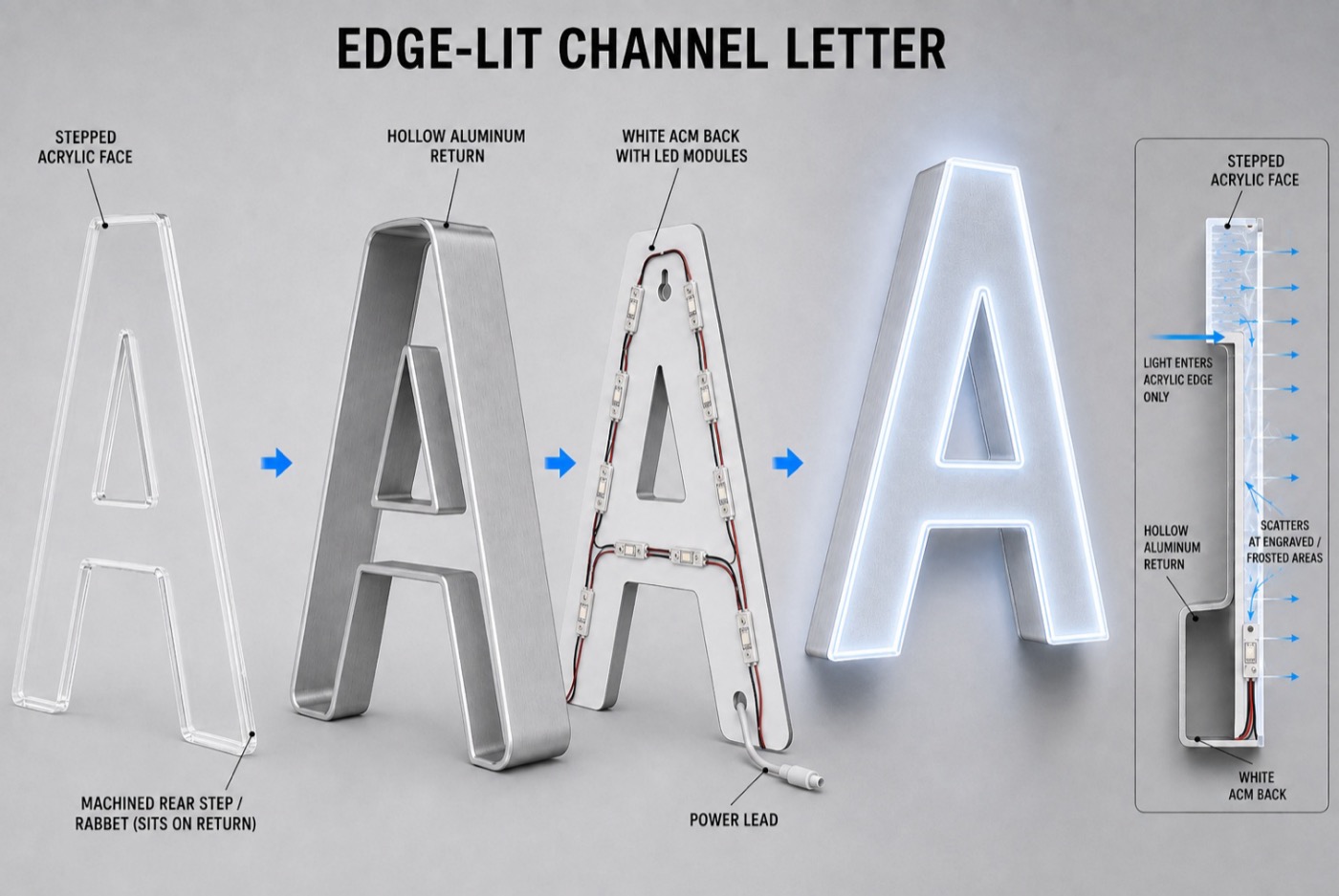
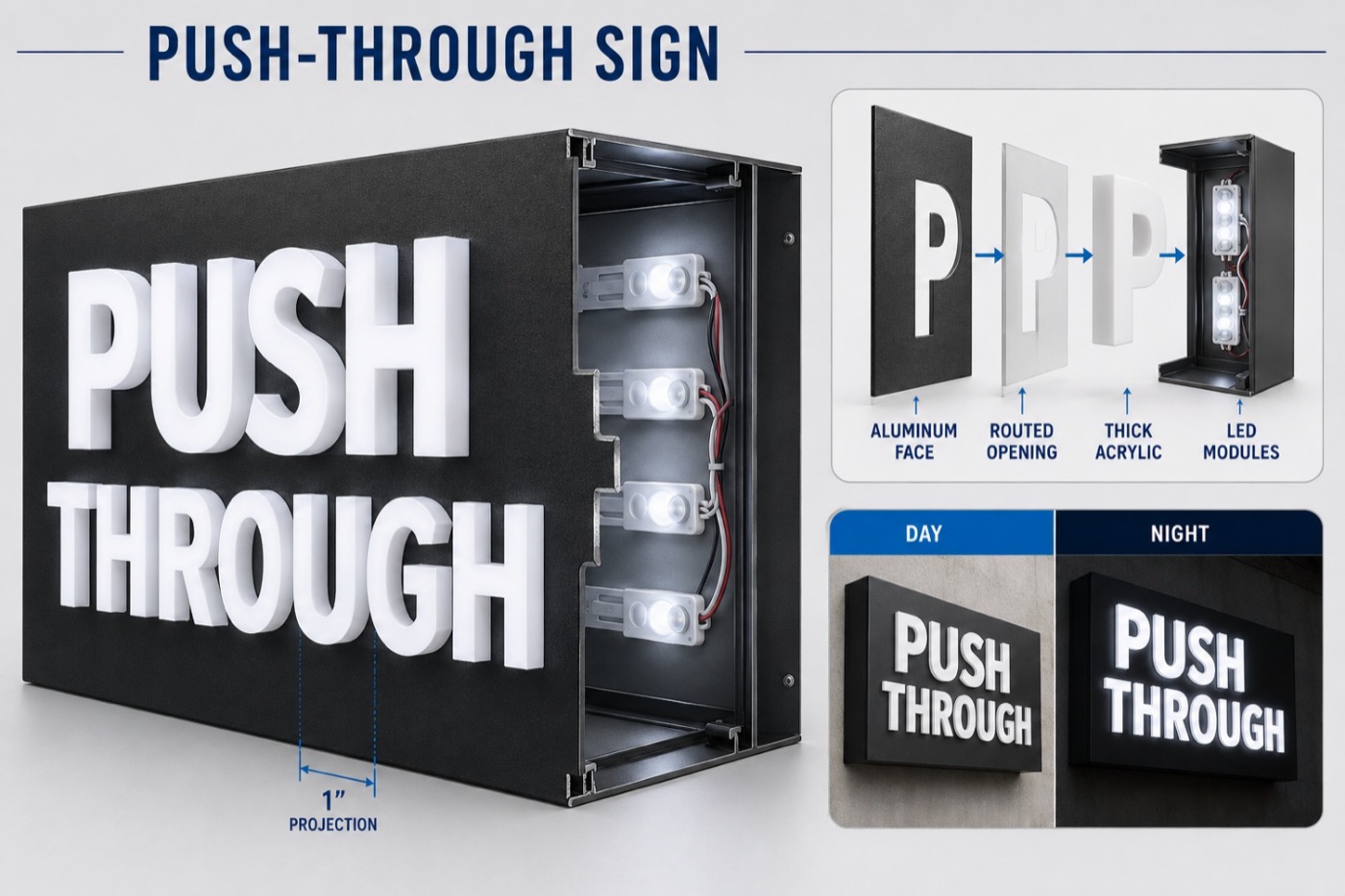
3. Decide on Lighting Method
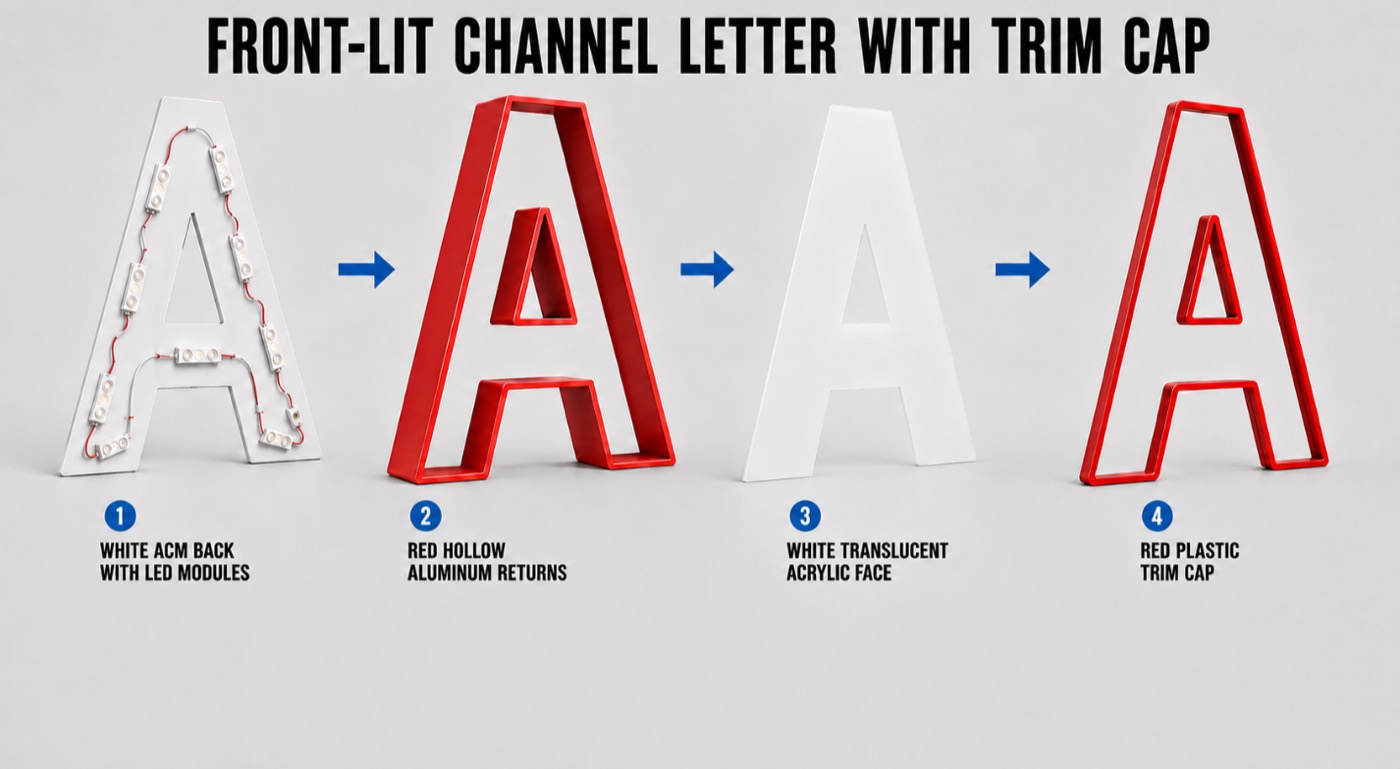
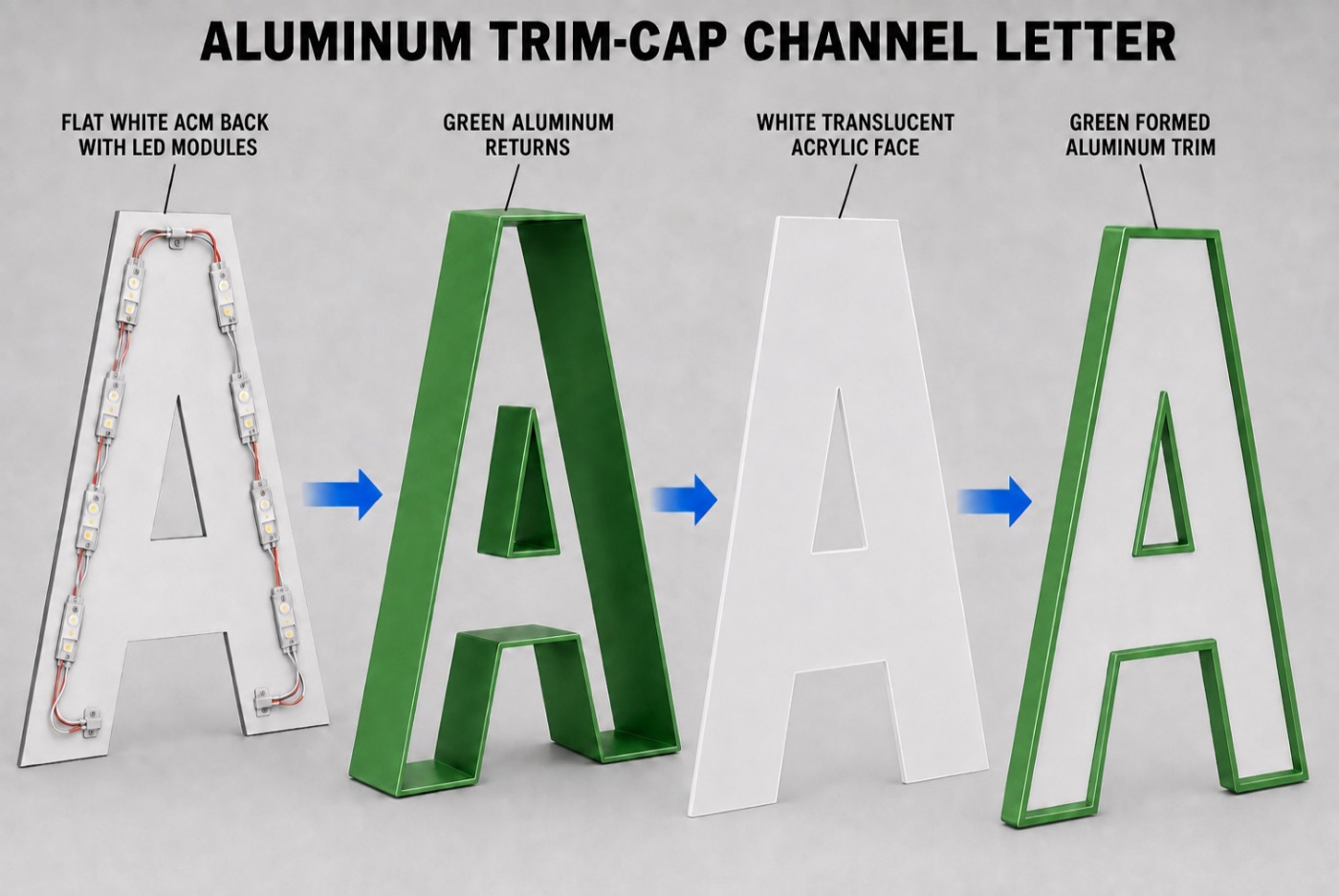
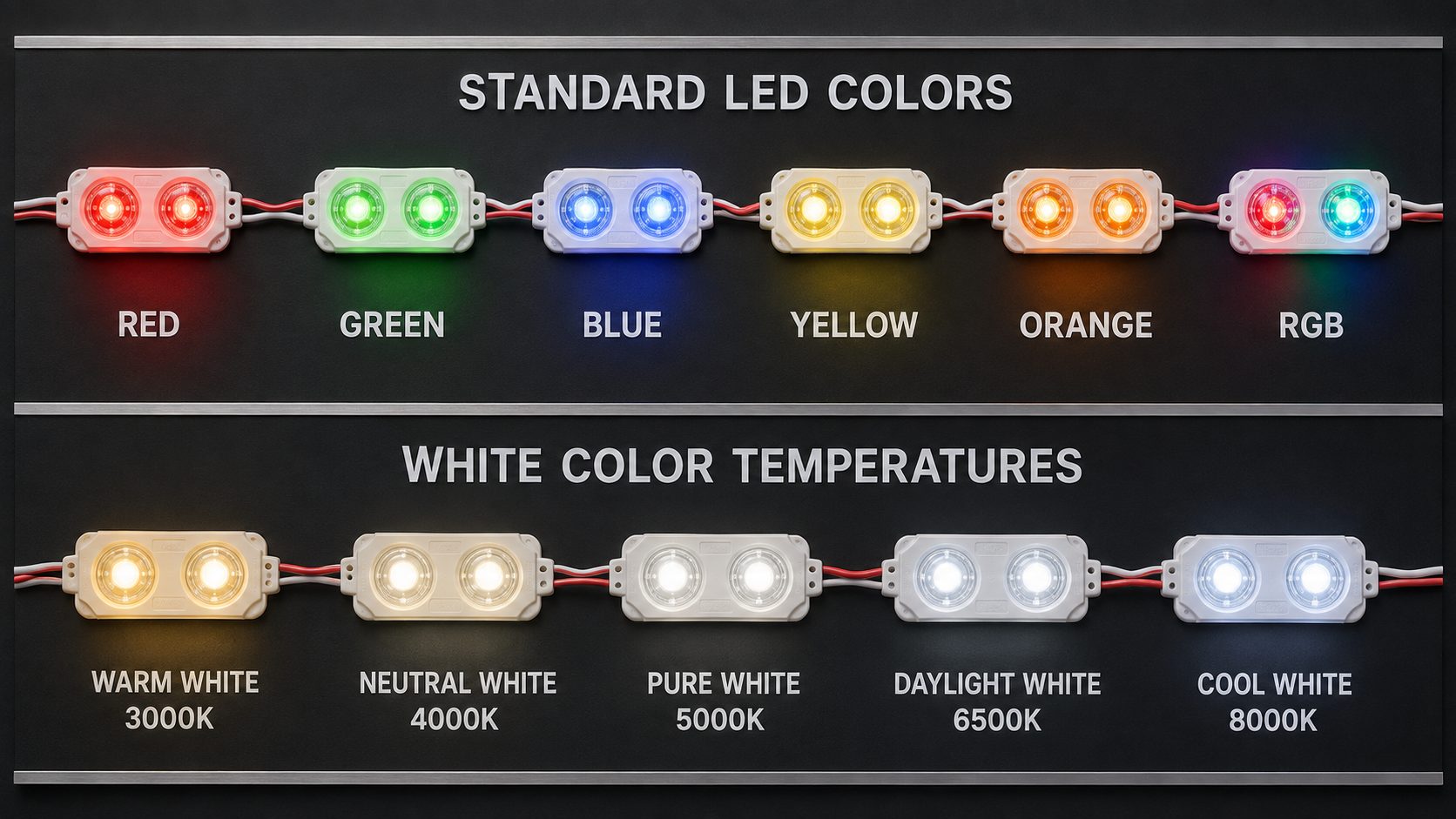
- Front-lit: light shines through the face — the clearest, most direct visibility option
- Back-lit / halo: a soft glow around the letter edges, reads more premium and understated
- Combination: front and back lighting together, for a bolder, more dramatic effect
The right call depends on the client's brand positioning and the sign's viewing distance — walk them through examples of each before they commit.
4. Plan for Installation and Maintenance
Confirm mounting hardware and installation guidelines are included with the order, not an afterthought. Stainless steel requires minimal maintenance, but regular cleaning keeps the finish looking new — worth setting expectations with the client upfront so a sign that could look great for a decade doesn't get neglected in year two.
5. Compare Wholesale Suppliers on More Than Price
When evaluating a wholesale partner for stainless-steel fabrication:
- Do they offer customization on size, font, and finish?
- What's their actual turnaround time for this material — stainless fabrication can run longer than aluminum
- What warranty backs the product?
- Are there hidden costs — installation fees, lighting add-ons — not included in the base quote?
Getting these specifics locked down before ordering keeps a stainless-steel project on budget and on schedule, and avoids the finish or grade surprises that turn into a client complaint six months after install. (For guidance on evaluating the supplier itself, see Stainless Steel Channel Letters: Finding a Supplier.)
Wholesale Sign Pro fabricates stainless steel channel letters in 304 and 316 grade for sign companies across the United States and Canada.