
Your customer calls for a parking sign. A few weeks later, they need a directional panel. Then they ask for building identification at another entrance.
Each order solves an immediate problem. Together, they may point to a bigger opportunity for your sign business: helping that customer put together a coordinated wayfinding system.
At Wholesale Sign Pro, we encourage the sign companies we work with to look past the individual request. When you understand how people move through a property, you can recommend a more complete package, explain its value, and become the customer's first call for future signage.
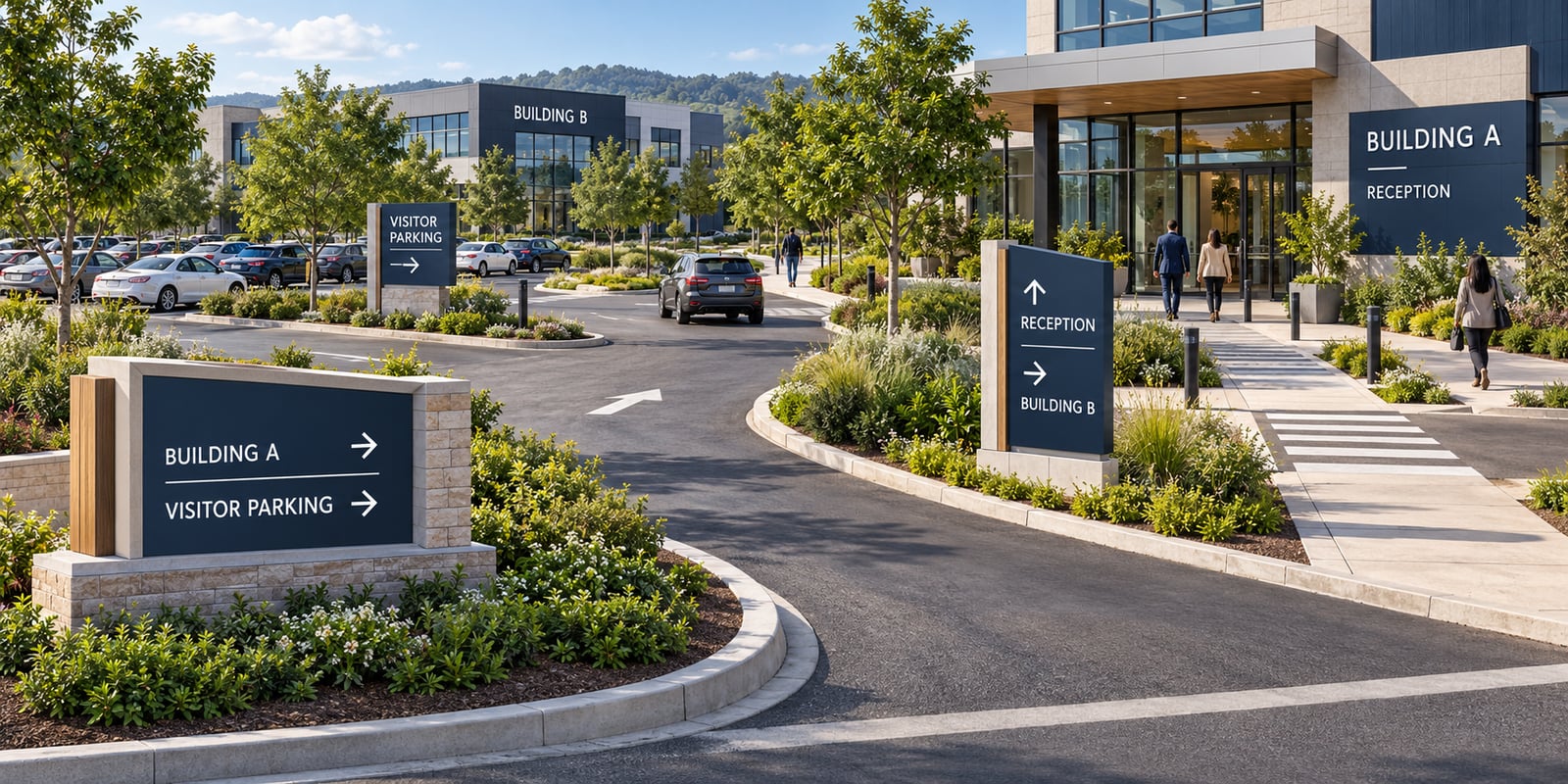
One property, one visual standard: every sign uses the same names, arrows, colors, and materials.
Ask What Is Behind the Request
When a customer asks for a directional sign, start by finding out what prompted the call. Are visitors missing the entrance? Are delivery drivers walking into the front office? Has a new tenant made an existing directory confusing?
The answer tells you whether the customer needs one sign, an update to existing signs, or a broader plan. A few questions help:
- Where are people getting lost or asking for directions?
- Which destinations do visitors need to find?
- Do customers, employees, and deliveries use different entrances?
- What signs are already in place?
- Are there upcoming tenant changes, renovations, or expansions?
These conversations give you a stronger basis for your recommendation, and they often uncover related work the customer hadn't thought about.
Walk the Property Through a Visitor's Eyes
Your customer knows the property. A first-time visitor doesn't. Walk or drive the main arrival routes with that difference in mind, starting at the street and following the trip through parking, walking routes, entrances, and final destinations.
Look for the places where someone has to make a choice. Can drivers tell which driveway to take before they reach it? Does the parking area clearly lead to the right entrance? Is there any confirmation once visitors arrive?
Mark those spots on a site plan, and take photos and short notes so you can show the customer exactly where information is missing, unclear, or hard to see. That makes your proposal easier to follow, because every recommended sign has a specific job.
Quote a Coordinated Package
Once you understand the route, organize your recommendation into a sign package. Depending on the property, it might include:
- Property and building identification
- Entrance and parking identification
- Vehicle directional signs
- Pedestrian directional signs
- Tenant directories
- Destination and door identification
Only include what serves the site. The value comes from connecting the journey, not from increasing the sign count. If the budget is limited, offer a phased plan: fix the most confusing arrival routes first, then extend the same design standards as more work is approved. For you, that means a clearer project scope and a practical path to future orders.
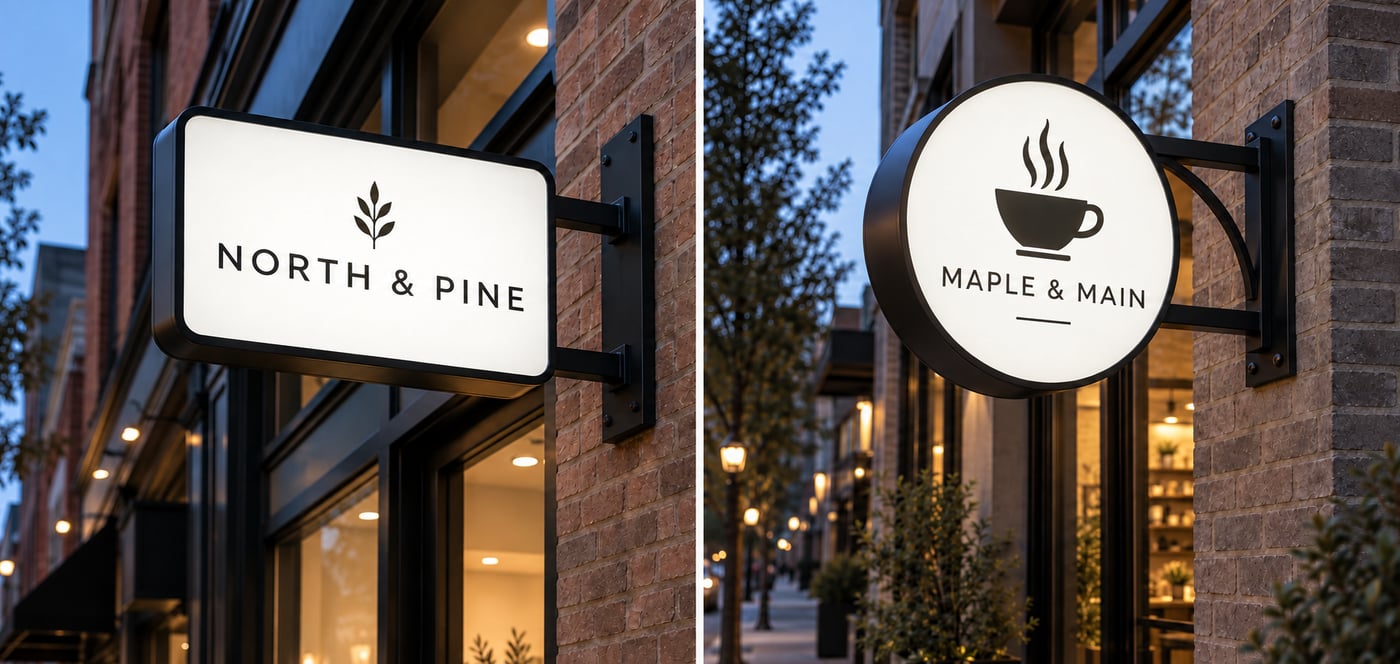
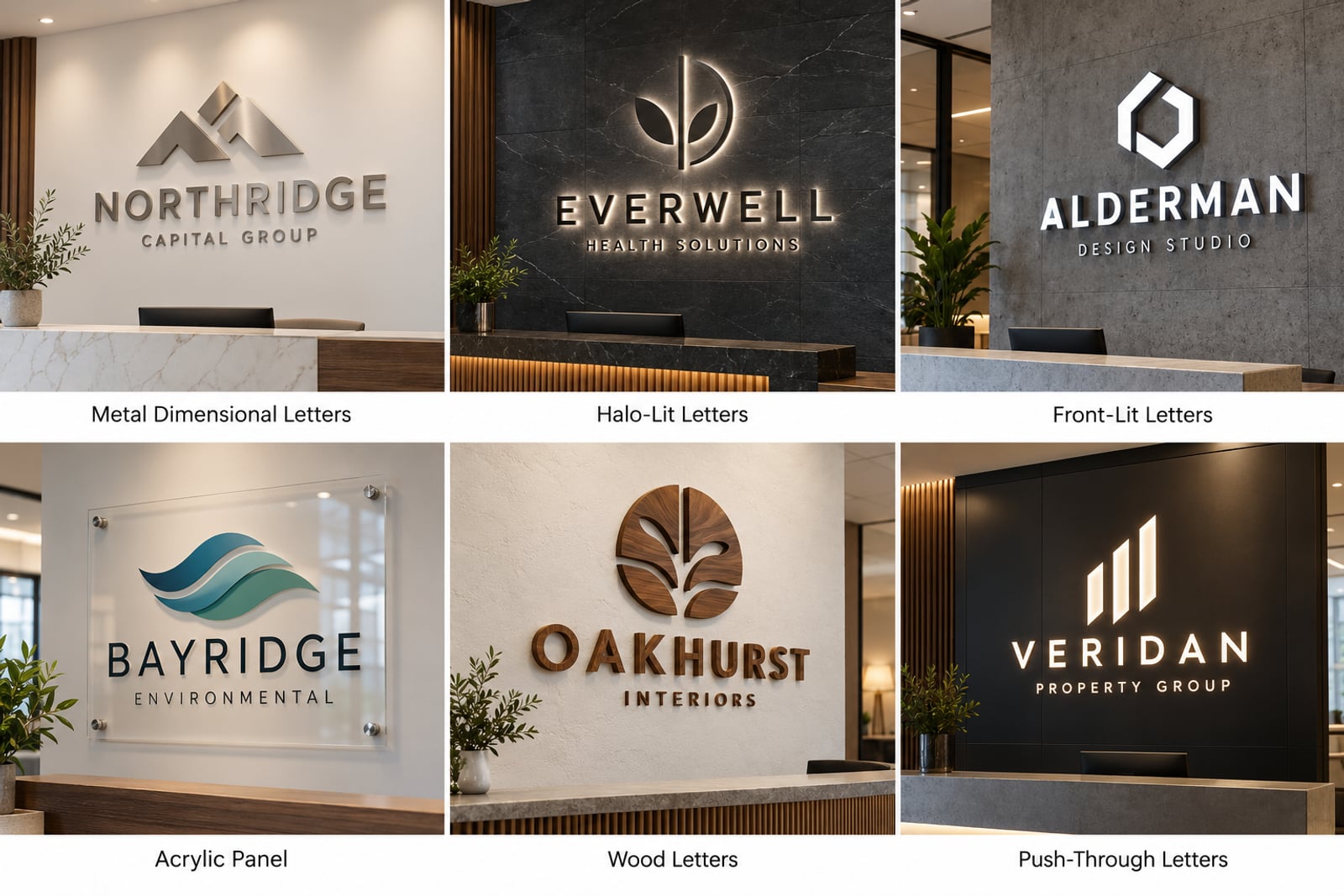
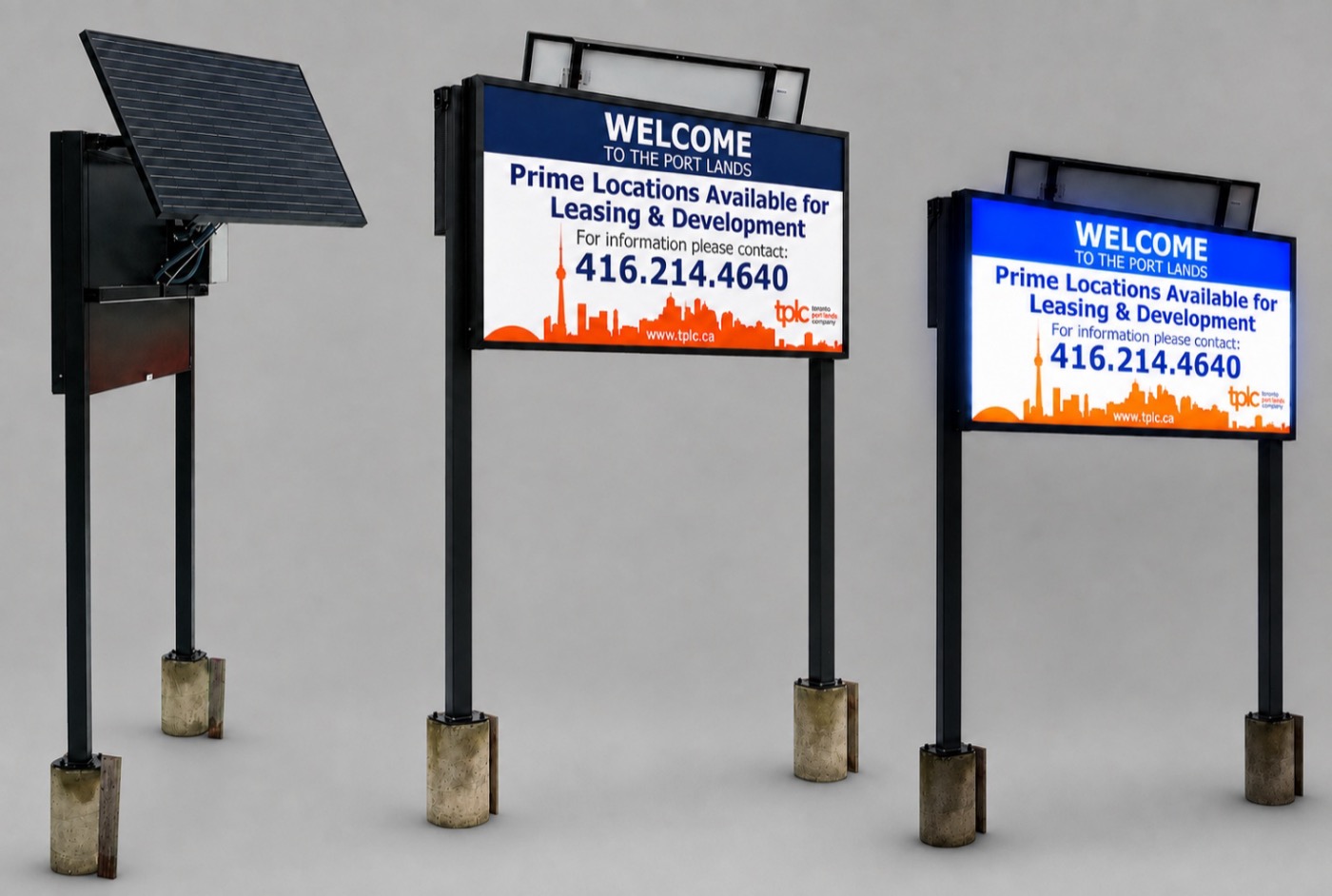
Some of these pieces overlap with products we already build, such as pylon and monument signs at the entrance, blade signs for street-level wayfinding, and indoor lobby signs inside the building. Our custom signs page covers the rest of the range.
Establish Standards You Can Reuse
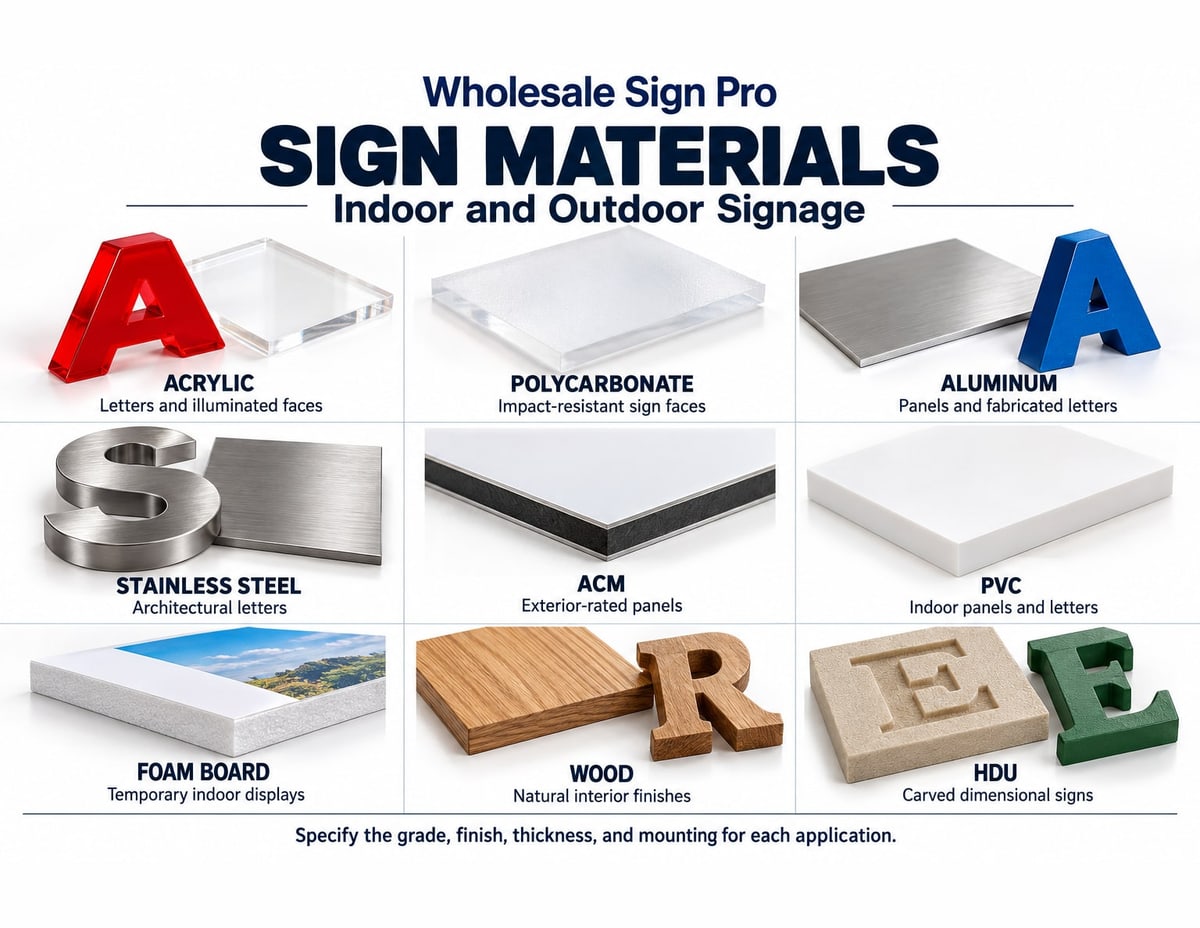
A wayfinding system should look and read the same across the whole property. Set clear rules for destination names, typography, arrows, colors, materials, and mounting details, then apply them throughout the package.
Pay close attention to names. If the customer's website calls a location "Building B," the signs should too. Switching between "Building B," "East Building," and "Office Annex" can leave visitors wondering whether those names mean the same place.
Write the approved standards down. They make future additions easier to design, quote, and reproduce.
Bring Your Wholesale Partner Into the Planning
Before you finalize the proposal, talk through the fabricated components with your wholesale partner. Share the proposed designs, quantities, dimensions, installation conditions, and target schedule. Then confirm the construction methods, finishes, mounting provisions, and anything else still needed for pricing.
Early fabrication input helps you write specifications you can present to your customer with confidence, and it gives you time to settle the details before artwork is approved and production starts.
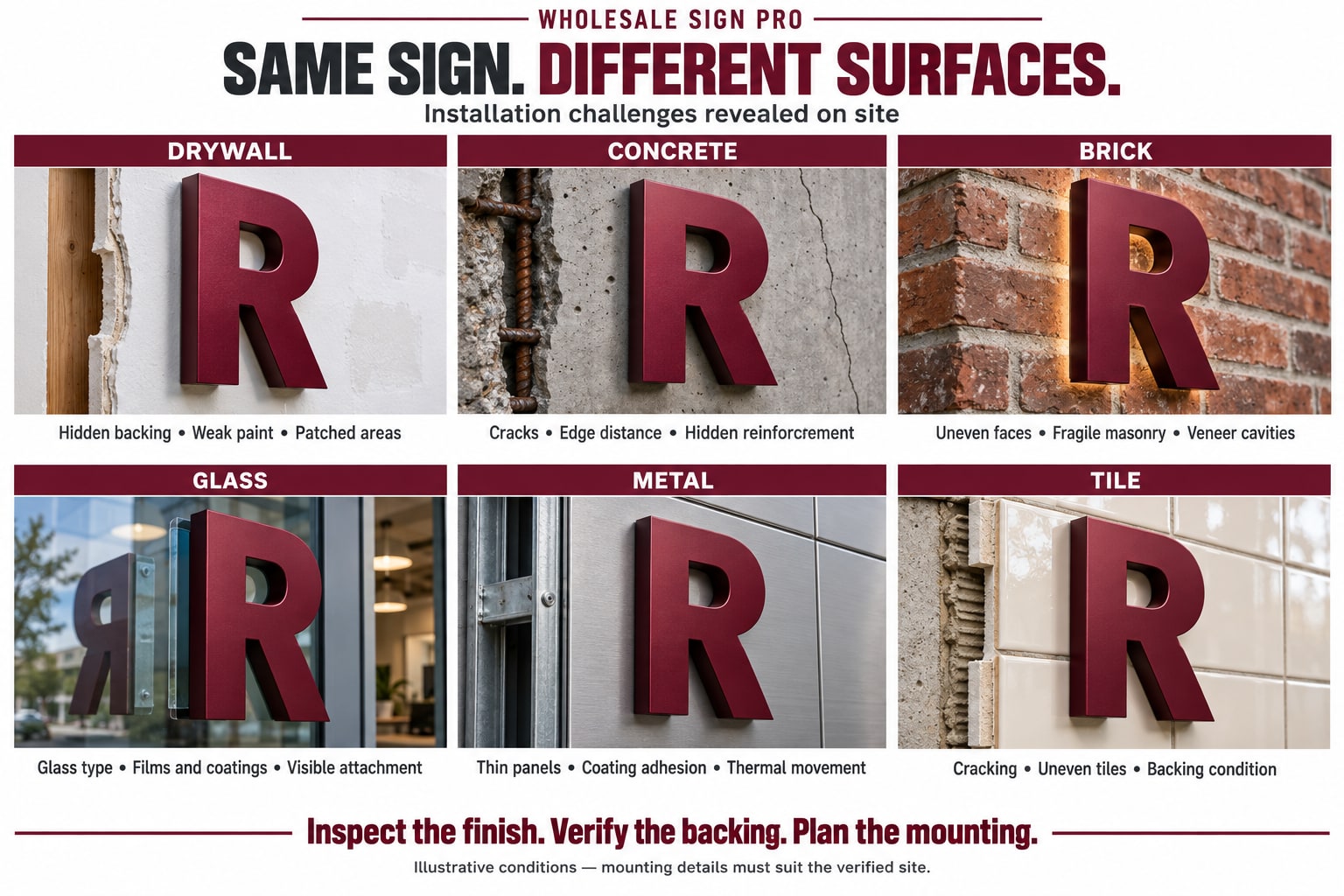
We recommend making that conversation part of your quoting process. Ask which components we can supply and which items need other vendors or trades. You stay the customer's point of contact, coordinating the package and guiding the project. Our wholesale channel letter ordering checklist shows the kind of detail that speeds up a quote, and our guide to sign installation challenges by wall surface covers what to confirm before mounting.
Plan for Updates Before They Become Urgent
Many wayfinding customers manage properties that change. A medical office adds a practice. An industrial property changes tenants. A commercial building opens a new visitor entrance.
Ask about those possibilities during planning. Where it makes sense, consider replaceable message panels or repeatable sign designs that can handle future changes.
Keep a project file for each customer with:
- Approved artwork and destination names
- Sign locations and quantities
- Dimensions, materials, and finishes
- Mounting and installation details
- Fabrication records
When the customer needs an update, you can respond with the details already in hand. That continuity is a real part of your service.
Make the Proposal Easy to Approve
Customers need to understand what the package will accomplish. Show a marked site plan, representative sign designs, and a schedule listing the message at each location, and explain how the signs guide a visitor from arrival to destination.
Spell out who is responsible for design, fabrication, permitting, and installation. Confirm the applicable accessibility and local requirements before the final specifications are approved. A clear proposal helps the customer judge the whole project and removes doubt about what's included.
Build the Relationship After Installation
Follow up once the signs have been in use. Ask whether visitors are finding the right entrance, whether deliveries are reaching the right place, and whether staff are still answering the same directional questions.
That conversation may point to a small adjustment or an additional need, and it shows you care how the finished work performs. As you learn the property, you're better placed to handle replacements, tenant changes, and expansions. Your customer gets a partner who understands the site, and your sign business gets a relationship that lasts beyond one order.
The next time a customer asks for a wayfinding sign, take a moment to explore the journey behind it. With a clear plan and the right fabrication support, you can turn one request into a coordinated system and a stronger customer relationship.
Wholesale Sign Pro manufactures signs for sign companies across the United States and Canada. Request a quote when you're planning a package, and tell us what you're considering.
Wayfinding Systems FAQ
What should I ask a customer who calls for one directional sign?
Ask what prompted the call. Find out where people get lost, which destinations visitors need, whether customers, employees, and deliveries use different entrances, what signs already exist, and whether tenant changes, renovations, or expansions are coming.
Do I have to quote every sign type in a wayfinding package?
No. Include only the elements that serve the site. The value comes from connecting the journey, not from raising the sign count. A phased plan lets you start with the most confusing arrival routes and extend the same standards later.
Why does the wording on wayfinding signs matter so much?
Visitors read names literally. If the customer's website says Building B, the signs should say Building B, not East Building or Office Annex. Mixed names leave people unsure whether the signs point to the same place.
When should I involve my wholesale manufacturer?
Before you finalize the proposal. Share the designs, quantities, dimensions, installation conditions, and target schedule so you can confirm construction methods, finishes, mounting provisions, and what the manufacturer can supply versus what needs another vendor.