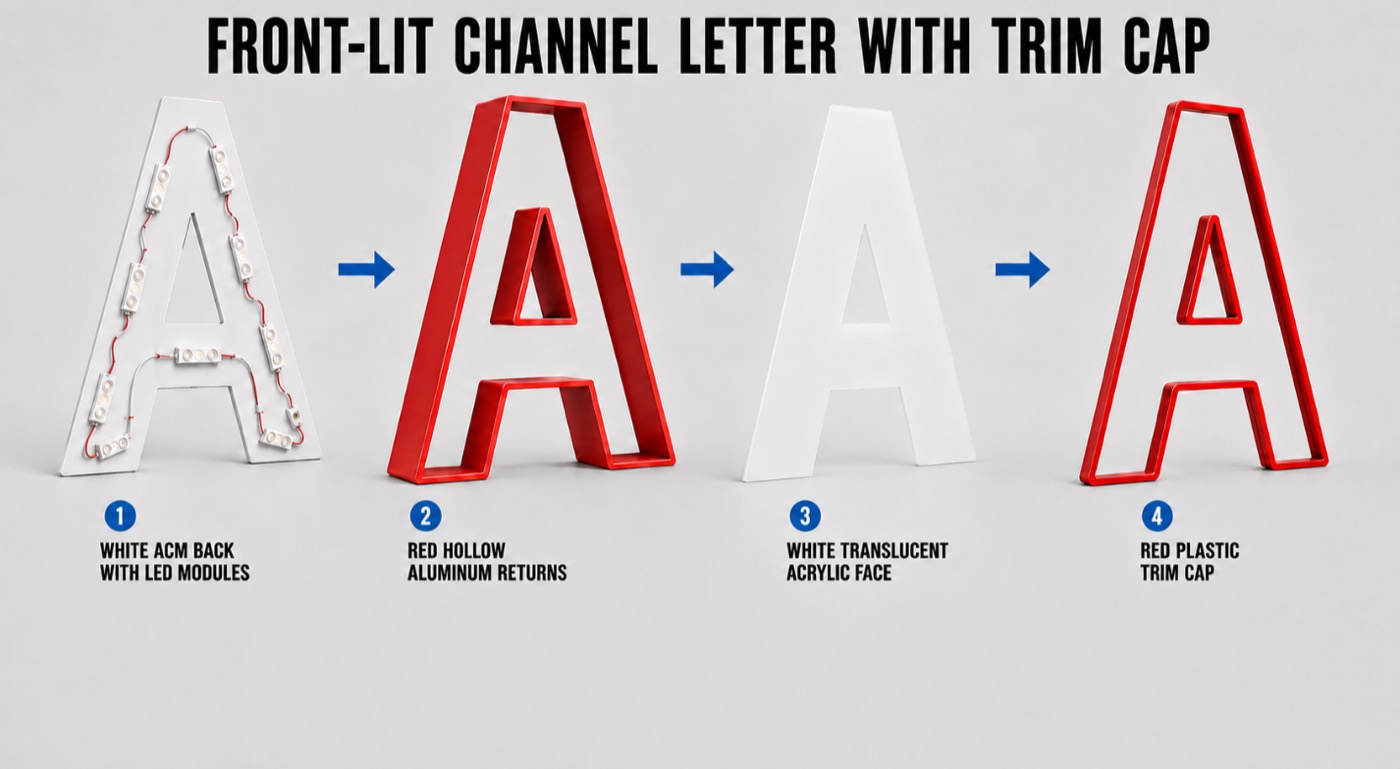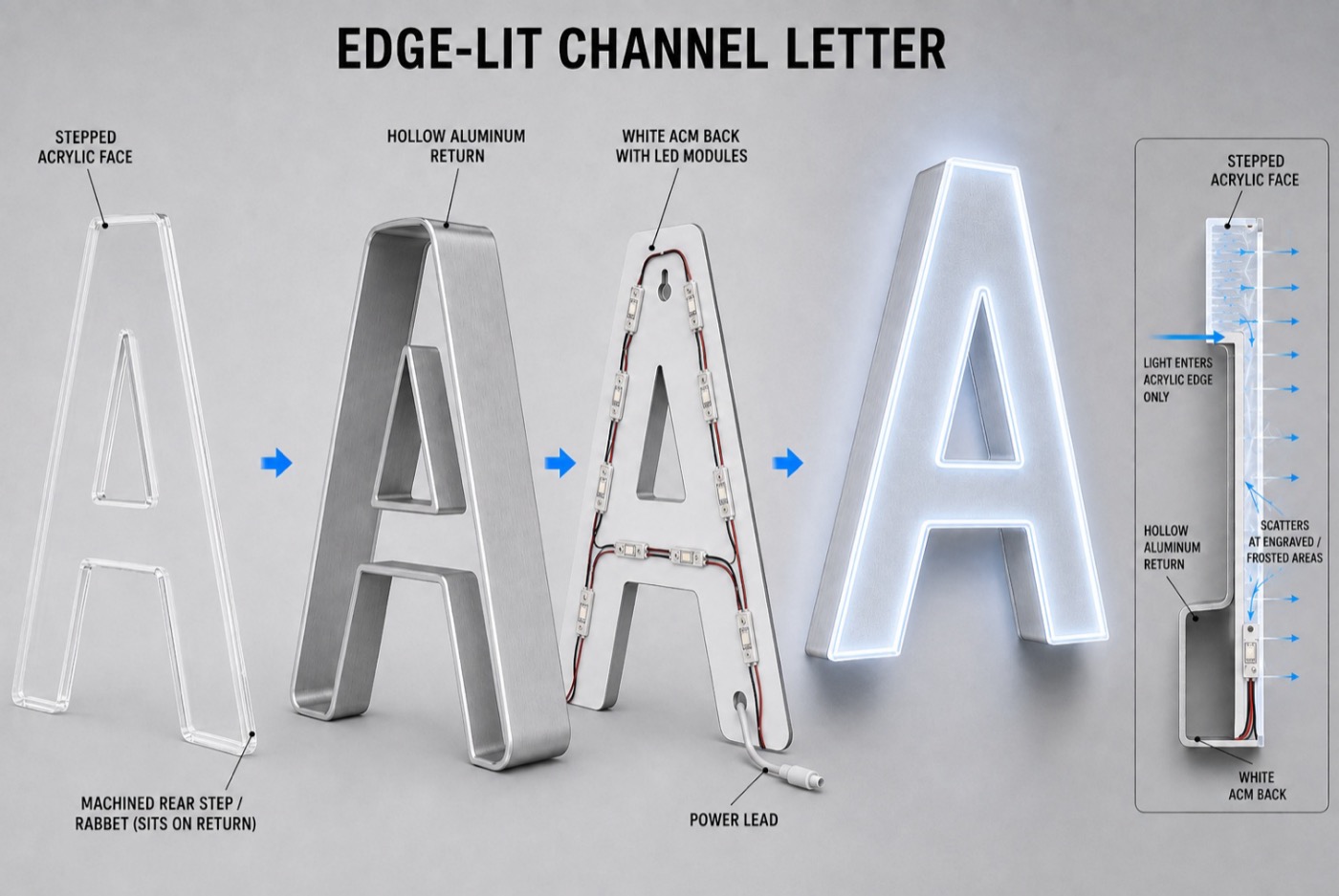

For an illuminated sign in Canada, using approved components is only part of the job. The completed sign generally needs a recognized Canadian electrical approval mark, and the installation must follow the code adopted in the province or territory where it will be installed. If the project is going to the United States, use our separate UL requirements guide.
The principal requirements are usually:
- CSA C22.2 No. 207, the product-safety standard for electric signs and displays
- Canadian Electrical Code, Part I — particularly Section 34, governing signs and outline lighting
- Provincial or territorial amendments, permits and inspection requirements
- Approval by a certification or field-evaluation organization recognized in the jurisdiction
A sign does not necessarily need the CSA logo. Marks such as CSA, cUL and cETL may be acceptable when issued by an appropriately accredited organization and valid for the Canadian market.

Canadian Requirements at a Glance
| Subject | Typical Canadian Requirement |
|---|---|
| Product standard | CSA C22.2 No. 207 |
| Installation code | Canadian Electrical Code, Part I, particularly Section 34 |
| Local code | Provincial or territorial adoption and amendments |
| Product approval | Canadian certification mark or an acceptable field-evaluation label |
| Common marks | CSA, cUL, cETL and other locally recognized marks |
| Outdoor signs | Components and construction approved for the applicable outdoor environment |
| LED components | Approved components used within their certified conditions |
| Completed sign | Approval of the assembled sign — not only its individual parts |
| Installation | Qualified or licensed contractor under applicable provincial requirements |
| Final acceptance | Provincial safety authority or other local Authority Having Jurisdiction |
Requirements differ between provinces and territories. The project location should therefore be confirmed before the sign is designed or manufactured.
What Is CSA C22.2 No. 207?
CSA C22.2 No. 207 is the principal Canadian product-safety standard for portable and stationary electric signs and displays.
The current standard listing is CSA C22.2 No. 207:15 (R2025). Its scope includes electric signs and display equipment for indoor or outdoor use in nonhazardous locations (CSA Group).
Products can include:
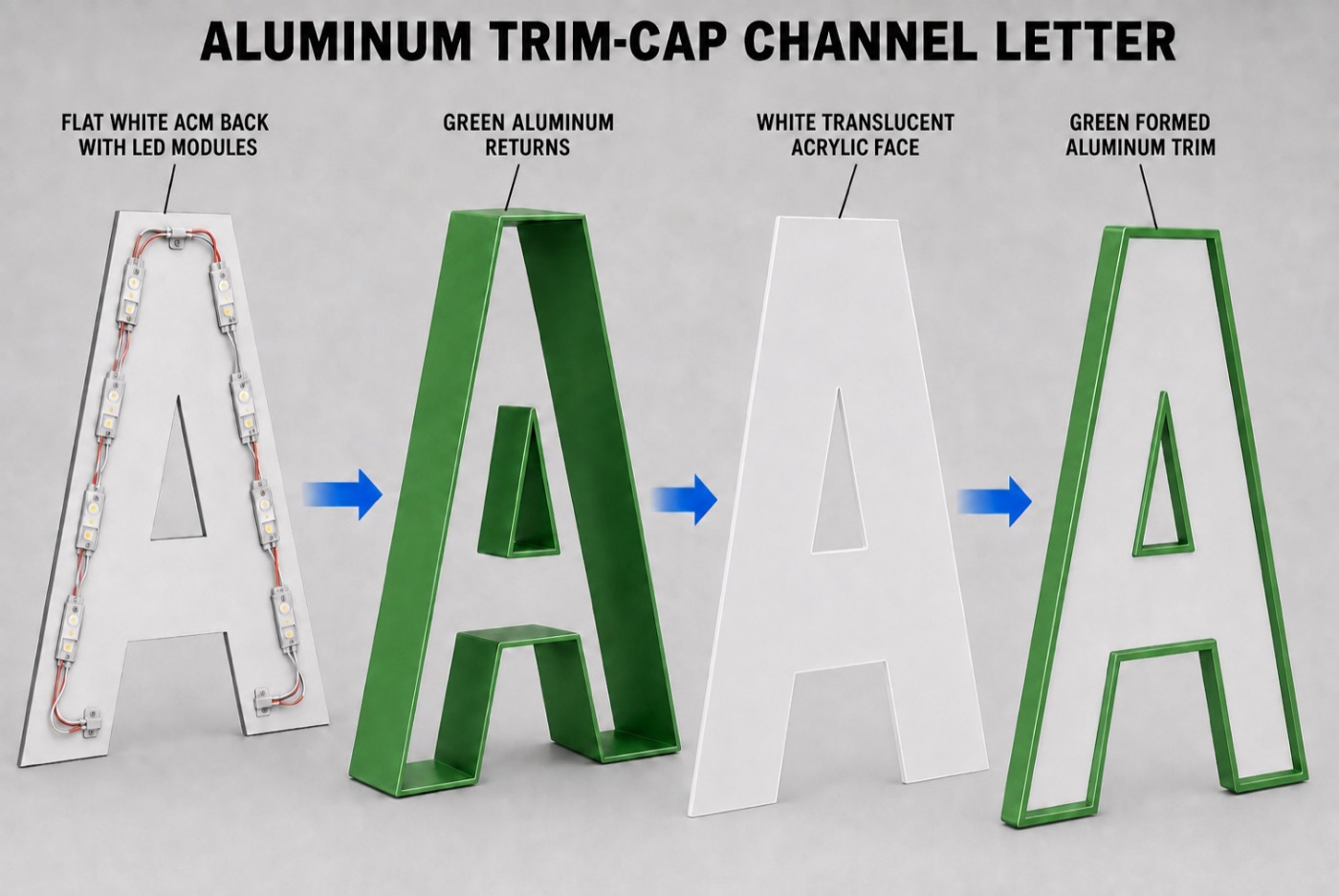
- Front-lit channel letters
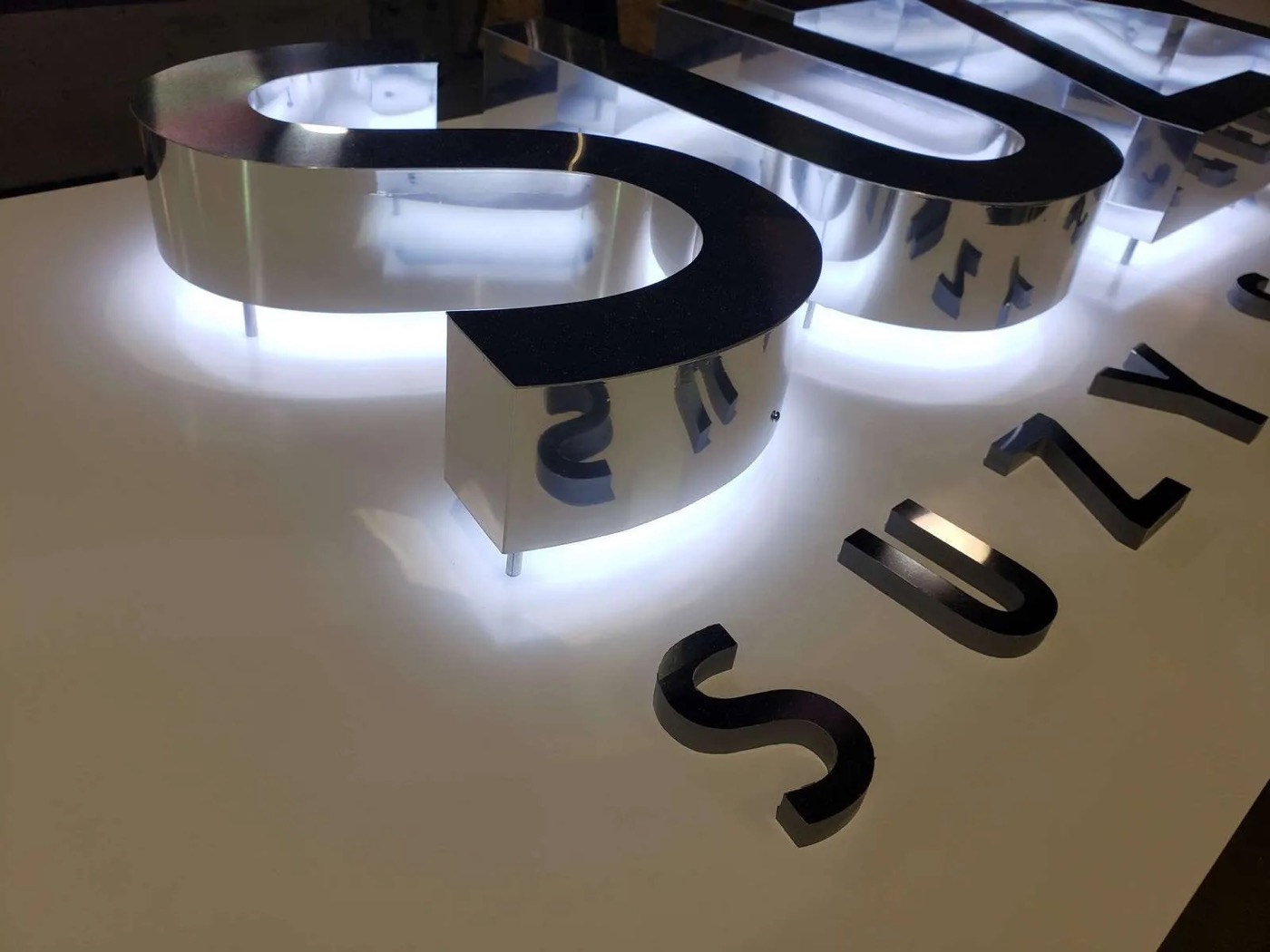
- Reverse or halo-lit letters
- Front-and-back-lit letters
- Illuminated logos
- Raceway-mounted letter sets
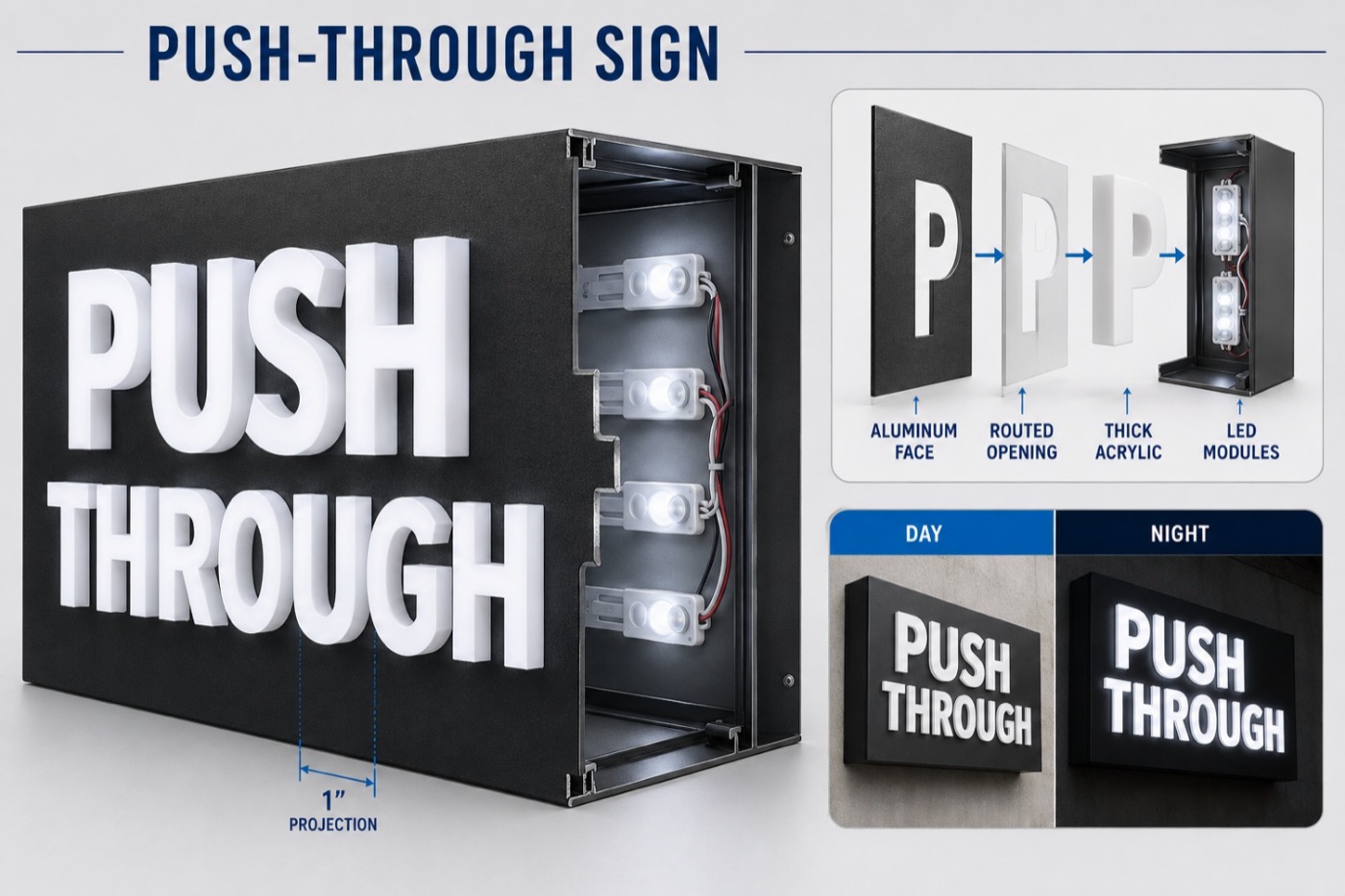
- Sign cabinets and light boxes
- Portable electric signs
- Interior illuminated displays
- Changing-message signs
- Outline lighting systems
The standard evaluates electrical and fire safety rather than the sign's visual design or advertising performance.
What Does the Standard Address?
Depending on the sign type and construction, CSA C22.2 No. 207 can address:
- Electrical enclosure construction
- Protection against electric shock
- Protection against fire and overheating
- Internal wiring
- Grounding and bonding
- Electrical spacings
- LED drivers and power supplies
- Transformers
- Overcurrent protection
- Disconnecting provisions
- Polymeric materials
- Protection of conductors
- Strain relief
- Outdoor environmental exposure
- Water entry and drainage
- Markings
- Installation instructions
Certification evaluates the sign as a complete electrical product. The use of individually approved LEDs, drivers and wiring does not automatically approve the finished sign.
CSA Certification vs. the Canadian Electrical Code
Product certification and electrical installation are different requirements.
CSA C22.2 No. 207
This standard addresses how an electric sign is constructed and evaluated as a product.
Canadian Electrical Code, Part I
The Canadian Electrical Code governs the electrical installation. Section 34 applies to signs and outline lighting (CSA Group Section 34 information).
Installation requirements can include:
- Approved electrical equipment
- Branch circuits
- Disconnecting means
- Wiring methods
- Grounding and bonding
- Power supplies
- Overcurrent protection
- Accessibility
- Field-installed conductors
- Protection against mechanical damage
- Outdoor electrical connections
- Installation according to manufacturer instructions
Provincial and Territorial Codes
The Canadian Electrical Code is a national model code. Each province or territory decides:
- Which edition to adopt
- When it takes effect
- What amendments apply
- Who may perform the work
- When a permit or notification is needed
- Which organization performs inspections
- Which approval marks are accepted
For example, Ontario uses the Ontario Electrical Safety Code, administered by the Electrical Safety Authority. British Columbia operates under its provincial framework, with Technical Safety BC publishing acceptable certification and field-evaluation marks.
The current national code should not automatically be assumed to be the code in force at every project location.
Does Every Sign Need a CSA Label?
Not necessarily. The completed electrical sign generally needs a Canadian approval mark accepted by the local authority, but it does not always need a CSA-branded mark.
Common Canadian marks include:
- CSA
- cUL
- cETL
- QAI
- Other certification marks recognized by the relevant provincial authority
- Approved field-evaluation labels for individual products
The mark must:
- Be issued by an accredited certification or evaluation organization
- Apply to the completed product
- Be valid for Canada
- Cover the applicable product category
- Remain legible and attached to the product
- Be accepted by the authority in the destination province
Ontario's Electrical Safety Authority states that an electrical product must bear the official mark or label of an accredited certification or evaluation agency before it is used, sold, displayed or advertised for sale in Ontario.
Technical Safety BC similarly publishes certification and approval marks acceptable in British Columbia.
Understanding Canadian Certification Marks
| Mark | General Meaning |
|---|---|
| CSA | Certified for Canada when shown in the applicable Canadian configuration |
| cUL | UL certification for the Canadian market |
| cETL | Intertek certification for Canada |
| Field-evaluation label | Approval of the specific equipment evaluated, subject to its limitations |
The inspector may verify:
- Certification organization
- Mark configuration
- Product category
- Standard
- Model or identification number
- Environmental rating
- Certification directory entry
Is CSA Group the Only Acceptable Certification Organization?
No. CSA Group develops standards and operates certification programs, but it is not the only organization that can approve electrical products for Canada.
Other certification bodies can test products to Canadian standards when they:
- Are properly accredited
- Have the relevant product standard within their scope
- Apply an appropriate Canadian certification mark
- Are recognized by the applicable provincial authority
Therefore, saying that a sign must be "CSA approved" can be misleading. A more accurate requirement is:
The sign must carry a recognized Canadian electrical-approval mark demonstrating compliance with the applicable Canadian product-safety standard.
The local authority makes the final acceptance decision.
Approved Components Do Not Approve the Complete Sign
Using approved components is essential, but Canadian authorities generally evaluate the assembled equipment as a complete product.
Ontario's current amendments specifically state that electrical equipment assembled from approved components is not considered approved unless the complete assembled equipment is approved. They also confirm that certain Class 2 equipment — including signs and LED lighting equipment — still requires approval.
Components commonly controlled in illuminated signs include:
- LED modules
- LED drivers and power supplies
- Transformers
- Disconnect switches
- Wire and cable
- Connectors
- Bushings and grommets
- Strain-relief devices
- Grounding hardware
- Power-supply enclosures
- Raceways and wireways
- Acrylic and polycarbonate materials
- Flexible illuminated products
The certification of a component may restrict:
- Maximum electrical load
- Enclosure type
- Mounting orientation
- Minimum spacing
- Operating temperature
- Wire size
- Location rating
- Permitted connections
- Required ventilation
- Exposure to moisture
The completed sign must use each component within those conditions.
Are Low-Voltage LED Signs Exempt?
Do not assume that a 12- or 24-volt sign is exempt from product approval.
An LED channel-letter system normally includes:
- A line-voltage branch circuit
- One or more LED drivers
- Primary wiring
- Class 2 secondary wiring
- Metal letters or enclosures
- Grounding and bonding
- Electrical connections exposed to outdoor conditions
Even equipment connected to the output of a Class 2 or limited-power supply can require approval. Ontario specifically includes signs, displays and LED lighting equipment among Class 2 products that must be approved.
Low secondary voltage reduces certain electrical risks, but it does not automatically eliminate certification, permit or installation requirements.
Outdoor Illuminated Signs
An outdoor sign must be approved and constructed for its intended environment.
Canadian outdoor conditions can include:
- Rain and wind-driven moisture
- Snow and ice
- Freeze–thaw cycles
- Condensation
- Road salt
- Coastal salt
- Strong temperature changes
- UV exposure
Appropriate construction can require:
- Outdoor-rated LED drivers and modules
- Suitable wire insulation
- Corrosion-resistant connections
- Protected primary-voltage compartments
- Correct conductor-entry fittings
- Drainage openings
- Moisture-management provisions
- Grounding and bonding
- Appropriate spacing between electrical parts
- Installation instructions preserving the environmental rating
Completely sealing the letter may trap condensation. Proper outdoor sign construction often combines protected electrical components with controlled drainage and ventilation.
Grounding and Bonding
Metal sign components that could become energized must be grounded or bonded as required by the certification and adopted code.
These components can include:
- Aluminum letter returns
- Metal backs
- Stainless-steel letters
- Sign cabinets
- Raceways
- Wireways
- Power-supply enclosures
- Mounting structures
- Accessible metal covers
Potential problems include:
- Paint or powder coating preventing electrical continuity
- Missing bonding connections between sign sections
- Loose grounding hardware
- Reliance on fasteners not approved for bonding
- Conductors damaged during installation
- Improper grounding-conductor size
- Corrosion at outdoor connections
The manufacturer should clearly identify every required field grounding and bonding connection.
Disconnecting Means
Illuminated signs normally require an appropriate means of disconnecting the electrical supply for service.
Depending on the code edition and sign configuration, requirements may address:
- Location of the disconnect
- Accessibility
- Visibility from the equipment
- Disconnection of applicable ungrounded conductors
- Identification
- Electrical rating
- Ability to safely service remote power supplies
- Relationship between the disconnect and sign sections
A disconnect located inside a remote power-supply enclosure does not automatically satisfy every installation. Its suitability must be determined from the adopted code, listing and installation configuration.
Required Labels and Markings
An approved electric sign normally carries a certification label and electrical nameplate information.
The sign may need to identify:
- Model, order or sign number
- Input voltage
- Frequency
- Current or wattage
- Indoor or outdoor suitability
- Certification organization
- Certification file or control information
- Field-wiring requirements
- Required warnings
- Installation limitations
- Relationship between sections and remote power supplies
The approval label should not be:
- Removed
- Painted over
- Copied
- Transferred to another sign
- Hidden permanently
- Applied to a sign outside the certification program
Ontario rules prohibit applying an approval label that was not issued for that particular equipment.
Factory Certification Programs
A sign manufacturer that regularly produces illuminated signs can operate under a product-certification program.
A factory program generally includes:
- Evaluation of permitted sign construction
- Documented component requirements
- Controlled certification labels
- Manufacturing and inspection procedures
- Recordkeeping
- Component traceability
- Periodic factory surveillance
- Corrective-action processes
The manufacturer may be permitted to produce a range of custom signs, provided each sign remains within the approved construction program.
Factory certification does not authorize the manufacturer to label any electrical product. Signs outside the program's scope may require additional engineering review, testing or field evaluation.
Field Evaluation and Special Inspection
Field evaluation may be used when:
- A custom sign was manufactured without an accepted label
- An imported sign has no recognized Canadian certification
- A certified sign was materially modified
- A one-of-a-kind sign falls outside normal factory certification
- A completed sign cannot practically be returned to the manufacturer
- The local inspector requires an evaluation
- Certification records cannot be verified
The evaluator may inspect:
- Component approvals
- Wiring
- Grounding and bonding
- Enclosures
- Electrical spacings
- Power-supply loading
- Overcurrent protection
- Location suitability
- Protection against moisture
- Nameplate ratings
- Installation conditions
Corrections may be required before a field-evaluation label is issued.
A field-evaluation label normally applies only to the specific piece of equipment inspected. It does not establish approval for subsequent production.
Modifying an Approved Sign
Material changes can invalidate the original product approval.
Potentially significant changes include:
- Replacing the specified power supply with a different model
- Increasing the LED load
- Changing primary wiring
- Adding electrical equipment
- Moving the disconnect
- Drilling new openings in an electrical enclosure
- Altering grounding or bonding
- Converting an indoor sign for outdoor use
- Changing an enclosure or raceway
- Combining sections from different systems
- Converting neon or fluorescent lighting to LED
Technical Safety BC emphasizes that a certification mark remains valid only when the product matches the certified design and model. Unauthorized field changes can mean that the installed product no longer meets its certification requirements.
Obtain guidance from the manufacturer, the certification organization, and the local authority before modifying an approved sign.
Provincial Differences
Ontario
Ontario's electrical-safety system is administered by the Electrical Safety Authority. Relevant considerations can include:
- Recognized product-approval marks
- Ontario Electrical Safety Code requirements
- Licensed Electrical Contractor requirements
- Notification and inspection
- Field evaluation of unapproved equipment
The 2024 Ontario Electrical Safety Code came into effect on May 1, 2025.
British Columbia
Technical Safety BC publishes acceptable product-certification and field-evaluation marks and administers aspects of the province's electrical-safety system. Contractor qualifications, permits and declarations depend on provincial rules.
Other Provinces and Territories
Alberta, Saskatchewan, Manitoba, Quebec, the Atlantic provinces and the territories have their own adoption, licensing and inspection arrangements. Quebec also has language and construction requirements that may affect documentation, labels and installation.
Never use "approved everywhere in Canada" without verifying the destination province and the certification mark's scope.
Manufacturer Checklist
Before shipping an illuminated sign for installation in Canada, verify:
- Installation address and province
- Applicable product standard
- Accepted certification mark
- Correct input voltage and frequency
- Indoor or outdoor location rating
- Approved LED modules and power supplies
- Power supplies within permitted loading
- Correct primary and secondary wiring
- Grounding and bonding completed
- Conductors protected at metal openings
- Outdoor drainage unobstructed
- Covers and access panels secured
- Certification and rating labels attached
- Wiring diagram included
- Installation instructions included
- Remote power supplies identified
- Sign sections matched to their power supplies
- Final illumination and operational testing completed
Installer Checklist
The installer should:
- Verify the Canadian approval mark.
- Confirm that the mark is accepted in the province.
- Check voltage, current and location ratings.
- Obtain required permits or notifications.
- Follow the manufacturer's instructions.
- Use approved field-wiring methods.
- Install the required disconnect.
- Complete grounding and bonding.
- Protect conductors from sharp edges and physical damage.
- Maintain outdoor environmental protection.
- Avoid unauthorized product modifications.
- Keep certification labels accessible.
- Arrange required inspection before energizing the sign.
Product certification does not replace code-compliant installation.
Common Compliance Mistakes
- Believing approved components make the completed sign approved
- Assuming low-voltage LED signs are exempt
- Installing indoor drivers outdoors
- Exceeding a power supply's approved load
- Missing grounding or bonding
- Hiding or removing the certification label
- Substituting components after certification
- Shipping incomplete installation instructions
- Modifying an approved sign without authorization
- Treating a CE mark as Canadian approval
- Ordering before identifying the destination province
- Assuming every province uses the same code edition and process
CSA Requirements FAQ
Must every illuminated sign in Canada carry a CSA label?
The sign generally needs a recognized Canadian electrical approval mark, but the mark does not necessarily need to be from CSA Group. cUL, cETL and other recognized Canadian marks may be accepted.
What standard applies to illuminated channel letters?
CSA C22.2 No. 207 is the primary Canadian product standard. The field installation is generally governed by Section 34 of the Canadian Electrical Code as adopted by the province or territory.
Are non-illuminated letters subject to CSA electrical approval?
Purely non-electrical letters generally do not require electrical product approval. Adding LEDs, power supplies, wiring or other electrical equipment can bring the product within electrical approval requirements.
Can an installer replace a failed LED driver?
Only with a driver permitted by the sign's approval, manufacturer instructions or an accepted modification procedure. Similar voltage and wattage alone do not establish approval.
Does an approved sign still require an electrical permit?
Frequently, yes. Product approval, electrical permits and inspection are separate requirements.
Who has final authority?
The applicable provincial or territorial electrical-safety authority — or another designated local AHJ — has final authority over acceptance.
The Practical Takeaway
Canadian illuminated-sign compliance depends on four connected elements:
- The sign is evaluated to the applicable product standard, commonly CSA C22.2 No. 207.
- It carries a recognized Canadian certification or field-evaluation mark.
- It is installed under Section 34 of the Canadian Electrical Code, as adopted and amended locally.
- The product and installation are accepted by the provincial or territorial authority.
Approved LED modules and power supplies are only part of the requirement. The completed channel-letter set, sign cabinet, illuminated logo or raceway assembly must be approved as a complete electrical product.
Wholesale Sign Pro manufactures wholesale channel letters and custom illuminated signs for sign companies, installers, designers and multi-location programs across Canada. The destination province, electrical rating, mounting method and required certification should be established before fabrication begins.
This article provides general industry information, not legal or engineering advice. Requirements and adopted code editions change. Confirm each project with the certification organization, licensed electrical contractor and applicable provincial or territorial authority.